Creating a comfortable atmosphere in your home starts with the right lighting. Whether you’re reading a book, cooking dinner, or unwinding after a long day, proper lighting can significantly impact your mood and comfort. Choosing home lighting isn’t just about brightness; it involves understanding the colors, placement, and types of fixtures that suit your lifestyle and space.
This guide will help you make informed decisions to create inviting, comfortable lighting throughout your home.
Understanding the Basics of Comfortable Lighting
Before diving into specific tips, it’s helpful to understand a few key aspects of lighting:
– Color Temperature: Measured in Kelvins (K), this defines the warmth or coolness of the light. Lower values (2700K–3000K) produce warm, cozy light, while higher values (4000K–5000K) offer cooler, more energizing light.
– Brightness: Measured in lumens, brightness should be balanced – not too harsh or too dim.
– Lighting Layers: Combining ambient, task, and accent lighting creates a versatile and comfortable environment.
Choose Lighting Based on Room Function
Different rooms serve different purposes, so lighting needs vary.
Living Room
Your living room is a place to relax, entertain, and sometimes work. Aim for warm, adjustable lighting here.
– Use warm, dimmable overhead lights or chandeliers.
– Add floor and table lamps with soft shades to create cozy corners.
– Consider smart bulbs so you can adjust brightness and color temperature easily.
Kitchen
The kitchen requires functional lighting since it’s a workspace.
– Bright, cool white light (around 3500K–4000K) helps with visibility.
– Use bright overhead lights combined with under-cabinet lighting for counters.
– Avoid harsh shadows by distributing light evenly.
Bedroom
Comfort and relaxation are key in bedrooms.
– Soft, warm light (2700K or lower) promotes calm and helps prepare for sleep.
– Bedside lamps with adjustable brightness provide convenience for reading.
– Avoid bright ceiling lights; instead, opt for softer ambient sources.
Bathroom
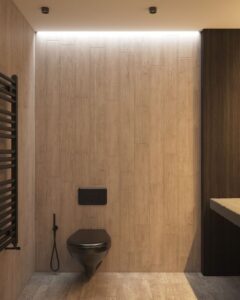
Bathrooms benefit from bright, clear lighting for grooming tasks.
– Use neutral white light (around 3500K) for accurate color rendering.
– Include vanity lights on both sides of the mirror to reduce shadows.
– Ensure the lighting is moisture-resistant for safety.
Select the Right Bulbs
The choice of bulbs affects both comfort and efficiency.
– LED bulbs: Energy-efficient, long-lasting, and available in many color temperatures.
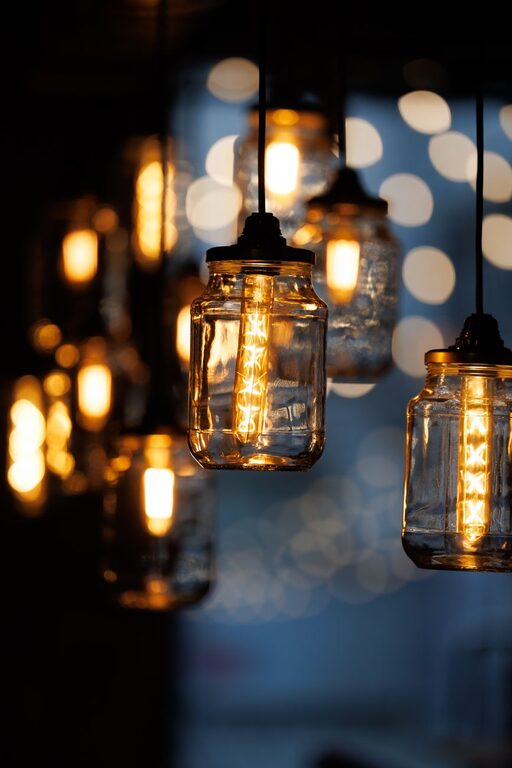
– Incandescent bulbs: Produce warm light but are less energy-efficient and less common.
– Smart bulbs: Offer customizable colors and dimming through apps or voice commands.
Look for bulbs labeled “warm white” or with a color temperature that matches your room’s purpose.
Use Dimmers to Control Brightness
Installing dimmers gives you control over lighting intensity. This flexibility helps:
– Create a relaxing environment in the evenings.
– Adjust brightness for specific tasks or moods.
– Save energy by lowering light when full brightness isn’t necessary.
Make sure your bulbs are compatible with dimmers to avoid flickering or damage.
Incorporate Natural Light
Whenever possible, maximize natural light to improve comfort and reduce the need for artificial lighting.
– Use sheer curtains that diffuse sunlight gently.
– Arrange furniture to take advantage of window light.
– Consider skylights or solar tubes to bring light into darker areas.
Natural light changes throughout the day, providing pleasant variations and reducing eye strain.
Consider Light Placement and Fixture Style
Where and how you place lights affects comfort.
– Avoid placing bright lights directly in your eyes.
– Use lampshades or frosted bulbs to soften glare.
– Position task lighting where it reduces shadows, such as beside your reading spot or over kitchen counters.
– Choose fixtures that complement your décor and don’t overpower the room.
Combine Different Types of Lighting
A mix of ambient, task, and accent lighting creates a balanced atmosphere.
– Ambient lighting: The general, overall light in a room (e.g., ceiling fixtures).
– Task lighting: Focused light for specific activities (e.g., desk lamps).
– Accent lighting: Highlights architectural features or décor (e.g., wall sconces or spotlights).
Layering these types makes your home lighting adaptable and visually appealing.
Prioritize Eye Comfort
To reduce eye strain and promote relaxation, keep these in mind:
– Avoid overly bright or flickering lights.
– Reduce contrast between screen light and ambient light.
– Choose warmer light tones during evening hours.
Comfortable lighting supports your well-being and makes your home feel welcoming.
—
Choosing the right home lighting might seem complex, but focusing on comfort, function, and style will guide you to the best choices. With these tips, you’ll create a space that looks inviting and feels just right in every room. Happy lighting!